
Restaurant Job Seekers: What Do You Want from a Job Board?
by Sheldon | Sep 5, 2026
Restaurant job seekers need more than open positions. What would make a job board easier to search, evaluate, and use?

Career Advice
by Sheldon | Nov 18, 2024 | 4 min read
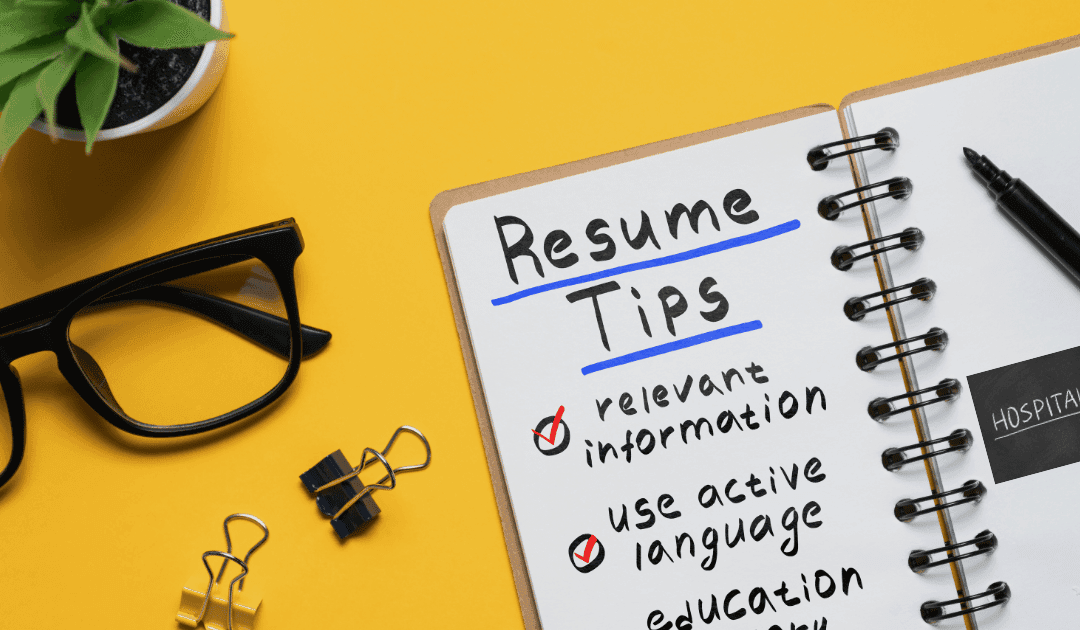
In a competitive job market, restaurant resume tips can make the difference between getting overlooked and getting interviews. Your resume is often your first impression, so it needs to clearly show your experience, strengths, and how you contribute to a team.
These restaurant resume tips focus on clarity, structure, and relevance so hiring teams can quickly understand your experience.
This format highlights your work history, starting with your most recent role. As a result, it works best if you have consistent experience in hospitality and want to show growth over time.
On the other hand, a functional resume focuses on skills instead of a timeline. This is useful if you are changing careers or have gaps in your work history. In this case, your transferable skills should lead.
Your opening section sets the tone. Therefore, your summary should clearly state your role, experience level, and what kind of environment you work best in.
For example, instead of a generic objective, write something specific:
“Line Cook with 5+ years in high-volume kitchens, focused on consistency, prep systems, and team communication.”
Include systems and tools you’ve actually used. For instance, POS systems, reservation platforms, or kitchen systems. This helps hiring managers quickly understand where you can step in.
At the same time, hospitality runs on people skills. Communication, teamwork, and adaptability matter. However, instead of listing them, show them through examples.
For example:
Rather than listing duties, show what changed because you were there. For example:
Each job is different. Therefore, your resume should reflect the role you’re applying for. Pull forward the experience that matches the job instead of sending the same version every time.
In addition, include the details that hiring managers are actively looking for and often have to ask for. For example, if you’re a chef, a portfolio of your work can help show range, style, and execution.
For management roles, include clear, scannable metrics such as:
Also, list the POS systems you’ve worked with. This helps teams quickly understand how easily you can step into their operation.
This kind of information helps someone quickly understand the scale, structure, and systems behind your experience.
A simple way to approach this: if you were interviewing yourself, what would you ask? That information should already be on the resume.
If you need help aligning your resume with real roles, you can review how positions are structured here: restaurant recruiting services
List your degree, school, and graduation date. If relevant, include coursework tied to hospitality, culinary, or operations.
Certifications add credibility. For example:
You can review ServSafe Certification Requirements for more details.
If you’ve worked at events, fundraisers, or community service projects, include them. This helps show initiative and reliability.
If you’re multilingual or have specific skills, such as wine service or cocktail knowledge, include them. In many restaurants, this directly impacts service quality.
Before sending your resume, review it carefully. Then, review it again.
Check for:
After that, ask someone else to review it. A clean resume signals attention to detail, which matters in hospitality.
Strong restaurant resume tips come down to clarity, relevance, and structure. When your experience is easy to understand and aligned with the role, hiring decisions move faster.
As a result, you’re not just applying. You’re positioning yourself clearly in the process.
In practice, resumes often fall short in the details. Non-industry experience can take up too much space, employment dates are missing, or multiple roles are grouped together with the same responsibilities listed for each. Contact information is outdated or missing. Most resumes don’t include references. And about half aren’t even in order from newest to oldest experience.
Written by Sheldon
by Sheldon | Sep 5, 2026
Restaurant job seekers need more than open positions. What would make a job board easier to search, evaluate, and use?
by Sheldon | May 7, 2026
Many hospitality workers have more experience than their resumes reflect.

by Claire Dumont | Apr 24, 2026
The restaurants with the lowest turnover have one thing in common: a visible career ladder. Here is how to build one that actually works.
Mis en Place helps independent restaurants and hospitality businesses build stronger teams through recruiting and hiring tools created specifically for the industry.