
Restaurant Job Seekers: What Do You Want from a Job Board?
by Sheldon | Sep 5, 2026
What do restaurant job seekers need from a better job board? Clear pay, schedules, commute details, and an easier way to find the right fit.

Career Advice
by Sheldon | May 7, 2026 | 4 min read
Many hospitality workers have more experience than their resumes reflect.
In restaurant recruiting, experience isn't measured simply by how many places someone has worked. Operators and recruiters also look for progression, increasing responsibility, and evidence of professional development.
I see this regularly. Candidates may have worked hard for years across different restaurants, but their resumes make that experience appear repetitive rather than cumulative.
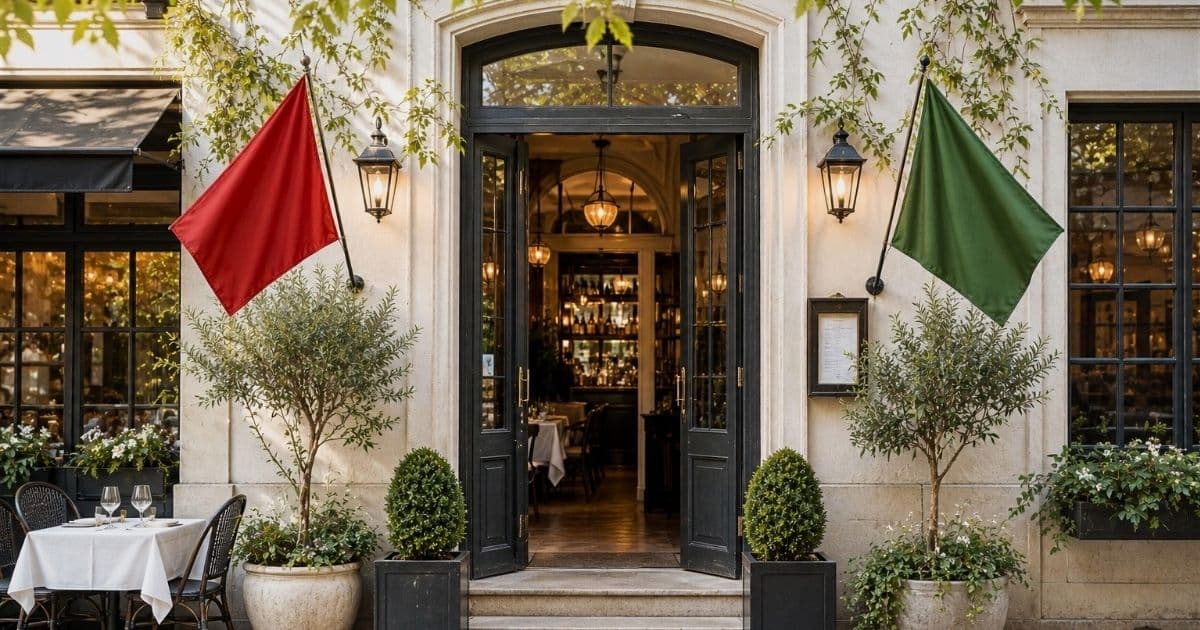
The difference between a red flag and a green flag often comes down to how clearly someone communicates their growth.
Consider a line cook who lists three restaurants under one job title:
Line Cook | 2022–2025
Restaurant A, Restaurant B, Restaurant C
Responsibilities: prep, grill, sauté, clean stations, follow recipes, stock inventory.
That tells me what a line cook does. It doesn't tell me how this particular cook developed.
Did the candidate move into a more demanding kitchen? Learn new techniques? Handle greater volume? Earn more responsibility?
The experience may be valuable, but the resume doesn't show it.
List each restaurant separately, with accurate dates and a few details explaining what changed or improved.
Moving between restaurants isn't automatically a red flag.
A line cook who moves from casual dining into a demanding, chef-driven kitchen may develop substantially without changing job titles.
Progression can mean learning scratch cooking, handling higher-volume service, gaining expo experience, developing wine knowledge, or working within stronger operational systems.
A dishwasher who becomes a Prep Cook, moves onto the line, and eventually becomes a Sous Chef tells a clear story of advancement.
But not every career develops vertically.
The important question is what the candidate gained from each move.
At some point, recruiters start looking for signs that experience is compounding rather than resetting.
More restaurants on a resume don't necessarily mean more experience.
Sometimes the strongest development happens within one restaurant.
An employee who spends five years in a well-run operation may become the person managers depend on during demanding services, trust to train new employees, or turn to when something needs attention.
Five years isn't a universal benchmark, and tenure alone doesn't establish ability.
What matters is what happened during those years.
The same depth can develop across several employers. Strong hospitality resumes make that growth visible.
Industry resources, including the 7shifts Restaurant Staff Turnover and Retention Playbook and Toast Voice of the Restaurant Industry Survey, provide additional context on retention and restaurant employment.
Incomplete work histories create unnecessary questions.
Leaving out employment dates, combining unrelated positions, or listing jobs out of chronological order makes it harder to understand a candidate's progression.
Employment gaps aren't automatically a problem. Neither is holding two jobs simultaneously.
But accurate months and years help employers understand tenure, overlapping positions, and career direction.
Outdated resumes create another problem.
I've encountered resumes missing recent positions, containing old phone numbers, or showing years of edits without a clear work history.
A candidate may be excellent at the job, but an outdated resume can make them appear less qualified or prevent an employer from reaching them altogether.
Keep the information current, accurate, and easy to follow.
Professional references can help confirm what a resume communicates.
A chef who explains how a cook progressed from basic prep to independently managing a station during busy service provides meaningful context.
That's more useful than someone who can only confirm employment dates.
Make sure references are current, willing to be contacted, and include email addresses whenever possible.
Relevant achievements matter, too.
For chefs and managers, improvements in food costs, waste reduction, labor management, or team performance can demonstrate real operational contributions.
Awards and recognition, including a mention in Wine Spectator, may also strengthen a resume.
But recognition from ten years ago shouldn't overshadow what someone has accomplished since.
The strongest hospitality resumes don't require constant promotions, perfect employment histories, or five-year commitments to every restaurant.
They help employers understand how someone's experience developed and what that person can contribute today.
Preparation matters beyond the resume, too. Our Back-of-House Interview Prep, Front-of-House Interview Prep, and What to Wear to a Restaurant Interview guides offer additional advice.
Some careers develop through long-term commitment to one restaurant. Others grow through carefully chosen moves.
Neither path is automatically better.
The strongest experience isn't necessarily the longest or most varied. It's the experience that has helped someone become better at what they do.
Written by Sheldon
by Sheldon | Sep 5, 2026
What do restaurant job seekers need from a better job board? Clear pay, schedules, commute details, and an easier way to find the right fit.

by Sheldon | Aug 23, 2026
Hiring is hospitality. Learn how restaurant employers can prepare for interviews, ask better questions, and create a candidate experience worth remembering.

by Sheldon | Aug 12, 2026
Front-of-house interview prep: learn what to expect, discuss your experience, and decide whether a restaurant job is the right fit.
Mis en Place helps independent restaurants and hospitality businesses build stronger teams through recruiting and hiring tools created specifically for the industry.