How Technology Changed Hiring for Restaurants
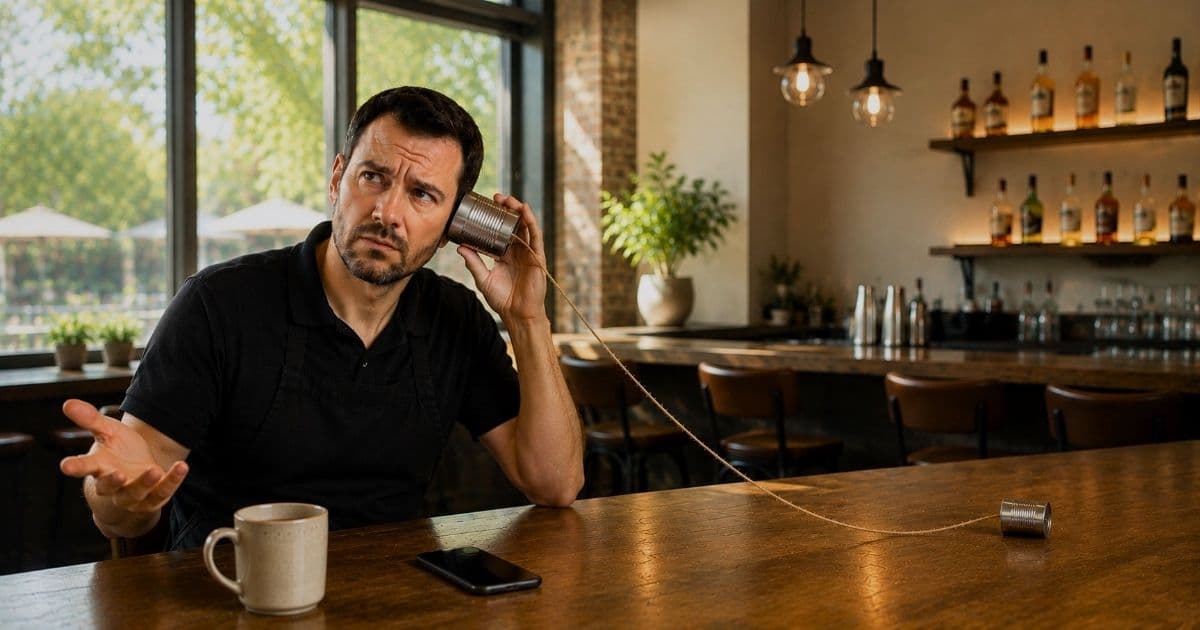
Technology changed hiring, but many restaurant employers are still approaching hiring problems with assumptions formed before candidate behavior and communication habits changed.
Recently, I discussed interview no-shows and candidate drop-off with Jonathan Deutsch, PhD, Professor of Arts and Sciences at Drexel University. Our conversation brought me back to a conclusion I've reached repeatedly over the past several years.
Many employers are viewing these situations through the wrong lens.
Candidate ghosting, interview no-shows, and onboarding drop-off can reflect a lack of professionalism. But that doesn't explain every case.
So what changed?
Technology changed how people communicate, compare opportunities, and make decisions. Many restaurants updated their recruiting tools without making corresponding changes to their hiring processes.
How Technology Changed Hiring for Restaurants
These changes began before COVID, although the pandemic accelerated them.
People became accustomed to scheduling appointments online, tracking deliveries, comparing options instantly, and receiving timely updates.
Candidates brought those expectations into hiring.
Early in my recruiting career, candidates often waited several days for an employer's response. Today, I regularly speak with candidates who begin questioning an opportunity after 24 to 48 hours of silence.
They're not necessarily uninterested. They may simply be evaluating several opportunities at once.
A candidate can apply to five restaurants on Monday, schedule three interviews by Wednesday, and potentially accept an offer before another employer responds on Friday.
Technology didn't create impatience. It made it easier to keep moving.
Where Restaurant Hiring Loses Momentum
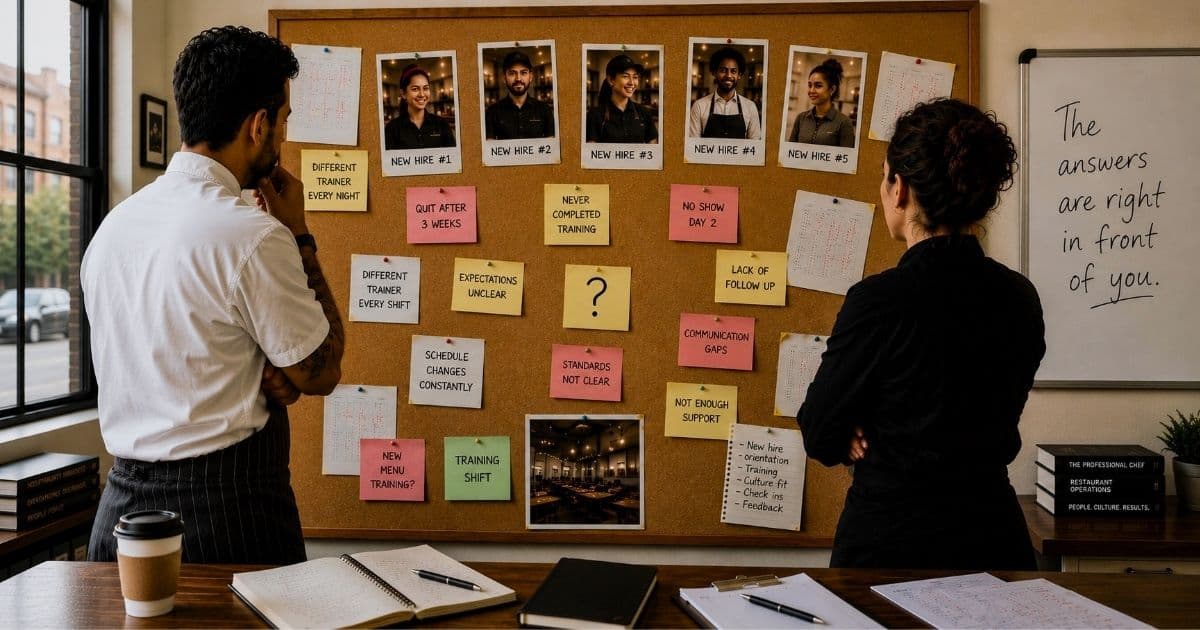
Many hiring problems don't begin during the interview. They develop between hiring stages.
A candidate agrees to interview, but the details don't arrive.
A candidate accepts an offer, but onboarding instructions take several days.
A start date is confirmed, but nobody explains where to park, whom to ask for, or what to bring.
By the time someone follows up, the candidate may have accepted another opportunity.
I've seen employers spend weeks debating compensation while overlooking these smaller details.
Sometimes a confirmation text, parking instructions, or a direct point of contact can eliminate unnecessary uncertainty.
That doesn't guarantee attendance. It simply removes obstacles that never needed to exist.
For more on these challenges, see Why Restaurant New Hires Don't Show Up.
Structured Hiring Works Like Restaurant Service
Restaurant operators already understand the importance of structure.
During a well-managed meal, the front and back of house know where a table is in its dining experience. Water has been served, orders have been taken, entrées have arrived, and the next stage is being prepared.
Guests shouldn't have to chase someone down to find out what happens next.
Hiring works much the same way.
Candidates should receive interview details before they need to ask. Onboarding paperwork should arrive before the first shift. Contact information and arrival instructions should be clear.
A Structured Hiring Process for Restaurants helps employers maintain that continuity.
Research and guidance from Toast also address restaurant hiring practices and the employee experience.
The objective isn't to make hiring complicated. It's to make the next step easy to understand.
Listen to the Concern Behind the Question
Restaurant operators understand this principle when dealing with guests.
When someone asks several questions about a menu, we don't automatically assume they're difficult. They're deciding whether the experience is right for them.
Candidates are doing something similar.
Questions about compensation, scheduling, taxes, commuting, or job responsibilities often come down to one concern:
Can I make this work?
The questions can be repetitive. Occasionally, they're frustrating.
I still catch myself focusing on the question instead of the concern behind it, even after all these years.
But how we respond tells candidates something about the people they'll be working with.
Every new hire is a little like a new customer. Before working a shift, they're deciding whether they trust the people and the opportunity in front of them.
That doesn't excuse ghosting or poor communication. It does give employers another way to understand why candidates hesitate or disengage.
Better Hiring Doesn't Require Reinventing Everything
In my experience, restaurants that improved their hiring processes after COVID weren't necessarily doing anything revolutionary.
They communicated more consistently, reduced delays, and made the transition between hiring stages easier.
A candidate who knows what's happening is better positioned to make a decision and follow through.
Our article on Keeping Candidates Warm explores ways to maintain that momentum.
Restaurant hospitality has always depended on anticipating what people need rather than waiting until something goes wrong.
Hiring deserves the same attention.
Technology changed how candidates navigate opportunities. Restaurant hiring needs to meet them where they are, without losing the hospitality that should have been part of the process all along.