Why Hiring Problems Continue After Wage Increases
The sharp rise in restaurant wages during the 2021 labor shortage changed how operators competed for employees. But higher pay didn't resolve many of the restaurant hiring problems already affecting independent restaurants.
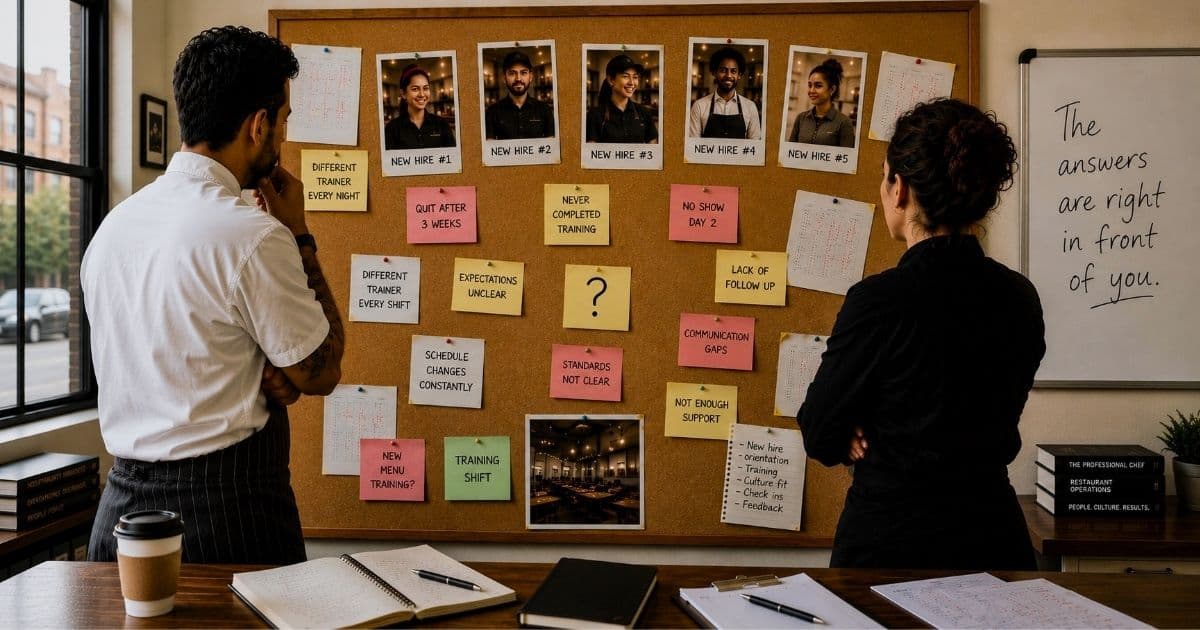
During that period, I watched operators adjust compensation while still struggling with unclear job expectations, inconsistent communication, and retaining new hires. Raising wages could make an opportunity more competitive, but it couldn't compensate for a hiring process that left candidates confused or waiting.
The shift was reflected in The Philadelphia Inquirer's restaurant labor coverage and broader national reporting, where I contributed insights from active restaurant searches. I also explored the changing wage landscape in Restaurant Minimum Wage and Hiring Challenges.
What became increasingly clear was that compensation and hiring execution were two different problems.
Why Restaurant Hiring Problems Continued After Wages Rose
As restaurants adjusted wages, candidates had more reason to compare opportunities carefully. Compensation mattered, but so did schedules, job expectations, communication, and the environment they would be joining.
A restaurant could advertise a higher hourly rate and attract attention, only to lose an interested candidate because nobody followed up promptly. Another might hire someone and then discover the schedule or responsibilities weren't what the employee expected.
Those weren't problems a few additional dollars per hour could necessarily solve.
Higher pay could improve a restaurant's ability to compete, but it didn't automatically make the operation a better place to work.
What the 2021 Labor Shortage Revealed
The labor shortage placed enormous pressure on restaurants, particularly independent operators managing tight margins and limited staffing resources.
Hiring decisions often needed to happen quickly. But speed without structure could create additional problems, including vague job descriptions, inconsistent interviews, and onboarding that depended on whoever happened to be available.
Our line cook survey insights provide another perspective on restaurant workers' experiences during that period.
The lesson wasn't that wages didn't matter. They mattered enormously, especially to employees weighing demanding schedules and physically challenging work. But compensation was only one part of what made a position attractive and sustainable.
For context on the financial side of these decisions, 7shifts' restaurant labor cost guide explains how staffing expenses affect restaurant operations.
Where Restaurant Hiring Needs More Than Higher Pay
A competitive wage helps attract applicants. What happens next determines whether the restaurant can turn that interest into a successful hire.
Operators need to define the position before advertising it, including responsibilities, compensation, and scheduling expectations. Candidates should receive timely responses, consistent information during interviews, and a clear explanation of what happens next.
The same attention needs to continue after an offer is accepted. A new employee who arrives without a training plan or clear expectations may begin questioning the decision to join, regardless of the hourly rate.
None of this requires an elaborate hiring department. It requires someone to own the process and follow through.
The Cost of Hiring Without Structure
When hiring is disorganized, the consequences reach beyond the vacant position. Managers spend more time covering shifts, experienced employees absorb additional responsibilities, and service can suffer.
Replacing an employee also means restarting the recruiting and training process, often while the rest of the team is already stretched thin.
That was one of the harder lessons of the 2021 labor shortage. Restaurants were under pressure to offer more competitive wages, but they also needed to examine what happened between posting a job and helping a new employee succeed.
Final Thought
Hiring challenges didn't begin with the wage increases of 2021, and they weren't resolved by them.
That period exposed weaknesses in restaurant hiring processes that compensation alone couldn't address. The lesson remains relevant: attracting qualified candidates is only the beginning.
Pay gets someone's attention. What happens after that gives them a reason to stay.