How the Pandemic Led to Restaurant Worker Burnout
Restaurant worker burnout became one of the most visible challenges during the pandemic, as teams faced sustained pressure, uncertainty, and constant operational changes.
For many operators, the issue wasn’t just staffing. Instead, it was the cumulative effect of long hours, shifting expectations, and the strain placed on already lean teams.
These pressures became a national conversation as restaurant employees reconsidered working conditions, career expectations, and their long-term futures in hospitality.
How Restaurant Worker Burnout Changed During the Pandemic
The pandemic didn’t create burnout in restaurants; rather, it accelerated it.
As a result, operators and teams had to manage:
Reduced staffing with increased demand
Constant operational changes and restrictions
Higher expectations from guests
Increased emotional and physical stress
Over time, this created a sustained environment where burnout became unavoidable for many workers.
How Restaurant Worker Burnout Shows Up in Restaurant Teams
Burnout in restaurant environments is often misinterpreted as performance issues.
In practice, it tends to show up as:
Decreased engagement during service
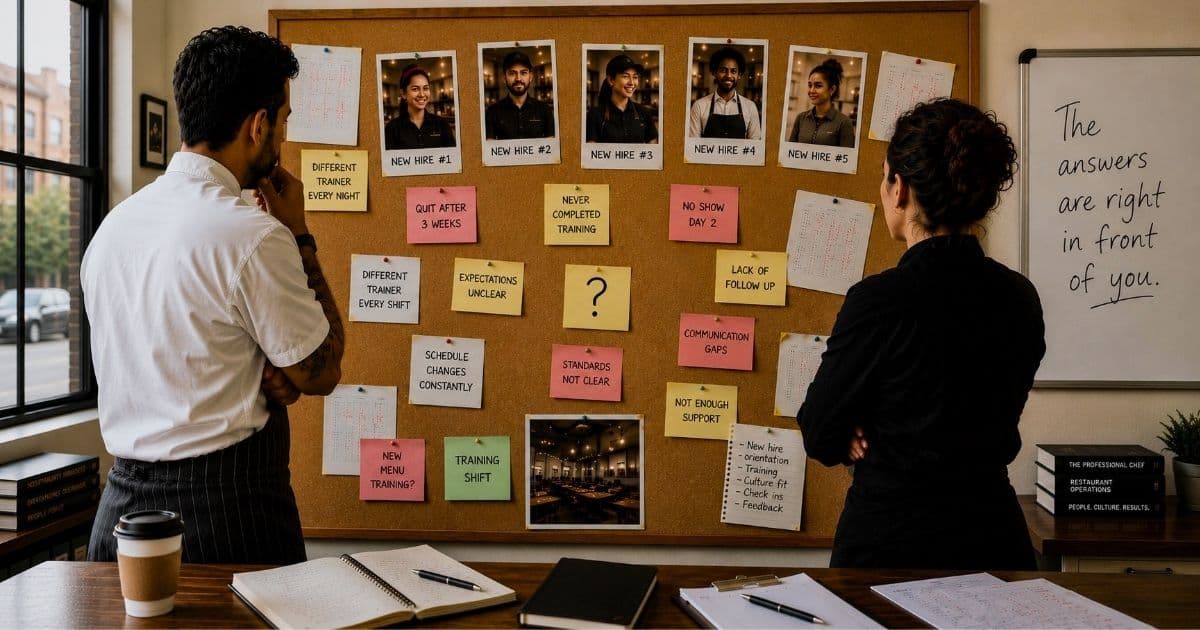
Communication breakdowns between team members
Increased call-outs or last-minute schedule changes
Higher turnover across roles
In most cases, these are signals of system strain, not individual failure.
Why Restaurant Worker Burnout Became a Retention Problem
As burnout increased, retention became more difficult.
As a result, workers began to reassess:
Consequently, restaurants that didn’t adapt their approach to staffing and operations saw higher turnover and more difficulty filling roles.
What Strong Operators Adjusted
However, some operators were able to stabilize their teams by making targeted adjustments.
This included:
More structured scheduling practices
Clearer role expectations
Improved communication during service
A more consistent hiring and onboarding process
While these changes didn’t eliminate pressure, they reduced unnecessary friction.
Quick Checklist: Reducing Burnout in Restaurant Teams
To reduce burnout, focus on:
Maintaining consistent schedules where possible
Setting clear expectations for each role
Improving communication during service
Reducing last-minute operational changes
Creating a more predictable hiring process
Conclusion
Burnout became one of the most visible challenges during the pandemic, as teams faced sustained pressure, uncertainty, and constant operational changes.
For many operators, the issue wasn’t just staffing. Instead, it was the cumulative effect of long hours, shifting expectations, and the strain placed on already lean teams.
If you’re navigating these challenges and need a more structured approach to hiring, you can start here: Restaurant Recruiting Services
Featured In
Mis en Place contributed insights to The Washington Post's reporting on restaurant worker burnout, examining how pandemic-era working conditions affected restaurant employees.
Original article: The Final Straw: How the Pandemic Pushed Restaurant Workers Over the Edge
By: Eli Rosenberg
Published: May 24, 2021