
Hiring Line Cooks: Stop Searching for the Perfect Fit
by Sheldon | Oct 16, 2026
Searching for the perfect line cook? Unrealistic requirements may be keeping qualified candidates out of your kitchen. Here's what to reconsider.

Hiring Tips
by Sheldon | Apr 26, 2026 | 4 min read
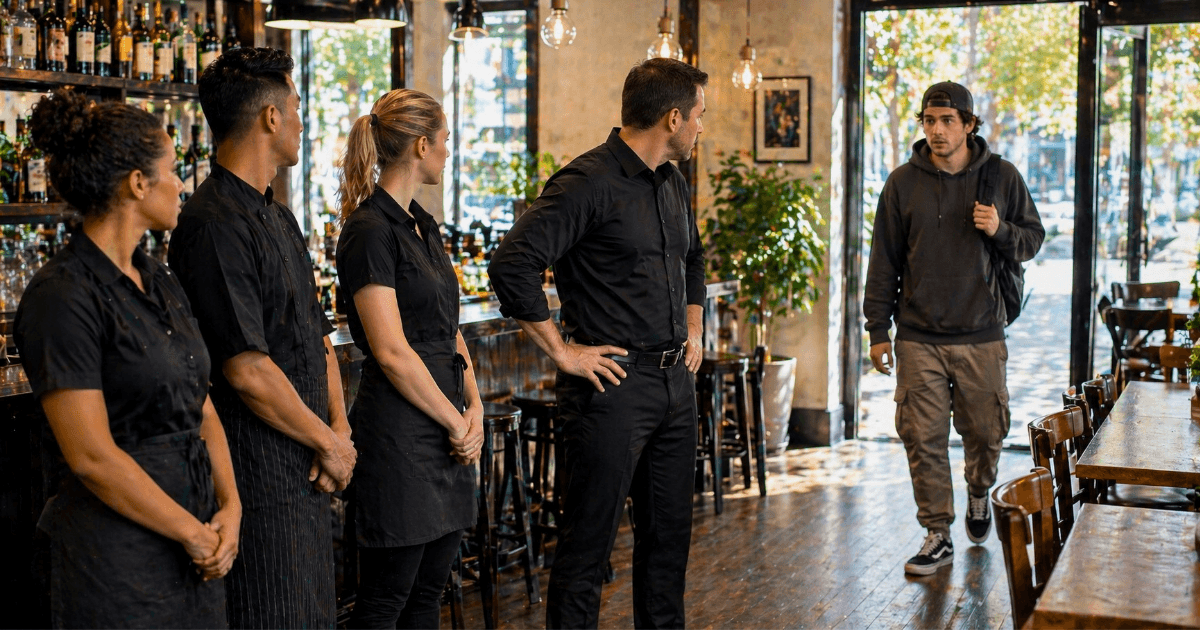
Restaurant manager accountability often begins with the conversations managers would rather postpone, particularly when addressing a problem could create an immediate staffing or service challenge.
Most restaurant managers don't avoid difficult conversations because they don't care. They delay them because the operation feels like it can't afford the risk. An employee still covers an important shift, a demanding VIP contributes significant revenue, and replacing someone can seem more complicated than continuing to manage the problem.
In the moment, avoiding the conversation feels practical. The restaurant gets through another service, the schedule remains covered, and nobody has to deal with an uncomfortable confrontation. But what happens when avoiding the problem becomes the problem?
Most restaurant operators have worked with some version of this employee. The bartender isn't necessarily the strongest member of the team, but they're dependable when it comes to covering difficult shifts. They willingly work Sunday nights, help when the schedule gets tight, and make themselves available when coverage is hard to find.
Then they begin arriving late, showing up out of uniform, or ignoring standards everyone else is expected to follow. You address the issue, but the following week, it happens again.
Now you're thinking less about the behavior and more about what happens if the bartender quits. Who will cover Sunday night? How quickly can you find a replacement?
Those are legitimate concerns, but other employees are paying attention. They notice when one person repeatedly receives exceptions while everyone else is expected to follow the rules. Eventually, the issue becomes less about the bartender and more about whether the restaurant's standards mean anything.
As I discussed in Effective Restaurant Leadership, communicating expectations isn't enough if managers aren't prepared to reinforce them.
There's a guest version of this problem, too.
Imagine a fully booked restaurant on a busy Saturday night. The dining room is running smoothly, reservations are carefully timed, and guests are waiting for tables. Then a VIP regular arrives without a reservation.
They're friendly with the owner, spend generously, and expect to be accommodated. The manager wants to protect that relationship but knows an unexpected table could disrupt service.
Accommodating an important guest isn't inherently wrong. Flexibility is part of hospitality. The problem begins when management makes exceptions without considering the employees responsible for carrying them out.
Seating the VIP without communicating with the host, servers, or kitchen can leave the team scrambling to accommodate a decision they weren't involved in making.
A manager can protect an important guest relationship while still coordinating with employees and explaining the adjustment. That's an important distinction explored in Restaurant Service Standards.
Protecting your team and protecting revenue aren't competing priorities. A dependable team is part of what makes exceptional hospitality possible.
Managers often postpone difficult conversations because they're trying to protect short-term stability. They don't want to lose an employee, create conflict, or risk disrupting service.
But avoiding an issue doesn't eliminate its consequences. Repeated exceptions can frustrate dependable employees, weaken standards, and eventually contribute to turnover.
Both 7shifts and Toast discuss the costs and operational consequences of employee turnover. Losing a capable employee because management repeatedly overlooks another person's behavior can create exactly the staffing problem an operator was trying to avoid.
Accountability doesn't mean confronting employees unnecessarily. It means addressing concerns fairly, explaining expectations, and following through when improvement is needed. National Restaurant News offers additional guidance on approaching difficult employee conversations.
The same clarity should begin during recruitment. A structured hiring process for restaurants helps establish expectations before someone joins the team.
Employees pay attention to what managers consistently allow, not simply what they say during meetings. A handbook may establish attendance expectations, but those standards lose credibility when repeated violations go unaddressed.
That doesn't mean every situation deserves an identical response. Restaurant management requires judgment, compassion, and flexibility. The difference is whether an exception is intentional and communicated or simply an attempt to avoid an uncomfortable conversation.
Restaurant manager accountability isn't about having more difficult conversations. It's about preventing avoidable problems by addressing them before they become patterns.
Sometimes the conversation you're avoiding today is the one that could protect your team tomorrow.
Written by Sheldon
by Sheldon | Oct 16, 2026
Searching for the perfect line cook? Unrealistic requirements may be keeping qualified candidates out of your kitchen. Here's what to reconsider.

by Sheldon | Oct 12, 2026
Restaurant hiring expectations can differ between employers and candidates. Learn what to clarify before accepting a job or extending an offer.

by Sheldon | Sep 12, 2026
If you could change three things about your hospitality job board, what would they be? Help shape better hiring tools for independent restaurants.
Mis en Place helps independent restaurants and hospitality businesses build stronger teams through recruiting and hiring tools created specifically for the industry.