What Restaurant Standards Actually Look Like in Practice
Restaurant standards are a lot like the preparation behind a stage performance. The audience sees the finished production, but what makes it work is everything that happened before the curtain went up.
In restaurants, that preparation depends on managers teaching and reinforcing expectations until the team understands how to work together. Without it, employees end up figuring things out during service, often while guests are watching. That's not the kind of performance anyone hopes to deliver.
You can usually tell which kind of operation you've walked into within the first few minutes.
What Restaurant Standards Look Like Before Service
Strong restaurant standards aren't simply policies written in a handbook. They're reflected in the small details employees practice every day.
As team members arrive, they acknowledge one another. Managers notice whether uniforms are clean and whether employees have what they need for service. For FOH, that might mean a clean apron, wine key, and working pens. For BOH, properly maintained knives, organized stations, and non-slip shoes.
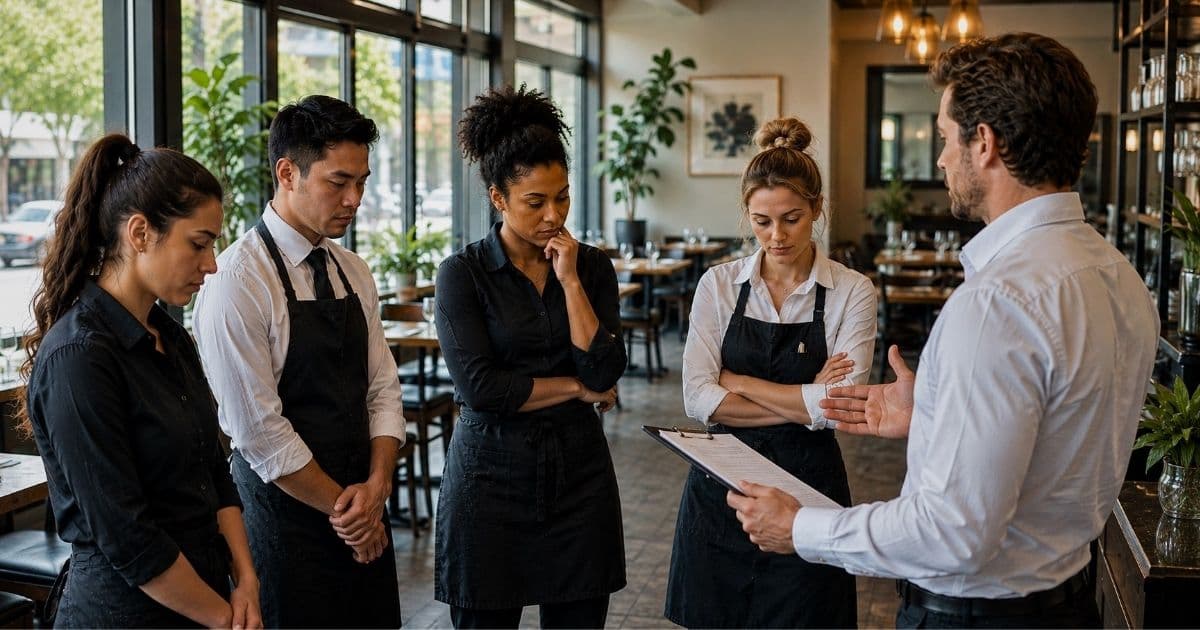
Pre-service should be more than reading menu notes. It's an opportunity to taste dishes, discuss ingredients, review service expectations, and make sure everyone is working from the same information.
The same preparation extends into the kitchen. Cooks organize stations consistently, prep lists establish priorities, and expediters use clear language so the team can work without unnecessary confusion.
This is mise en place beyond the individual workstation. It's preparation across the entire operation.
Our article on restaurant training systems explores how that consistency begins with clear instruction and follow-through.
When Everyone Makes Up Their Own Rules
The absence of consistent standards isn't always dramatic. Sometimes it's a server describing a dish differently from a coworker or a new employee being corrected during service for something nobody explained beforehand.
In the kitchen, it might be a station organized differently depending on who's working, forcing the next cook to spend valuable time figuring out where everything belongs.
Management can contribute to the confusion, too. One manager emphasizes speed, another focuses on presentation, and a third changes the expectations depending on the circumstances.
Individually, these problems may seem minor. Together, they create friction that slows service and frustrates employees.
New hires notice these inconsistencies almost immediately. They recognize whether training happens before they're expected to perform or whether they're simply thrown into service and corrected as they go.
A restaurant shouldn't require employees to guess what good performance looks like.
What Great Hospitality Actually Looks Like
The Michelin Guide's discussion of great service explores the attentiveness and care that contribute to memorable hospitality.
But some of the best examples I've encountered have been surprisingly simple.
I was recruiting for a quick-service fried chicken and donut concept and spent time observing the counter. When a customer asked about the donuts, one employee didn't just answer the question. They said, “Do you want to try the strawberry? It's new.”
The recommendation felt natural, not scripted. That employee knew the product and felt comfortable talking about it.
I experienced something similar at a restaurant I frequent. I couldn't decide between two dishes and eventually ordered one, although I wasn't particularly confident in my choice.
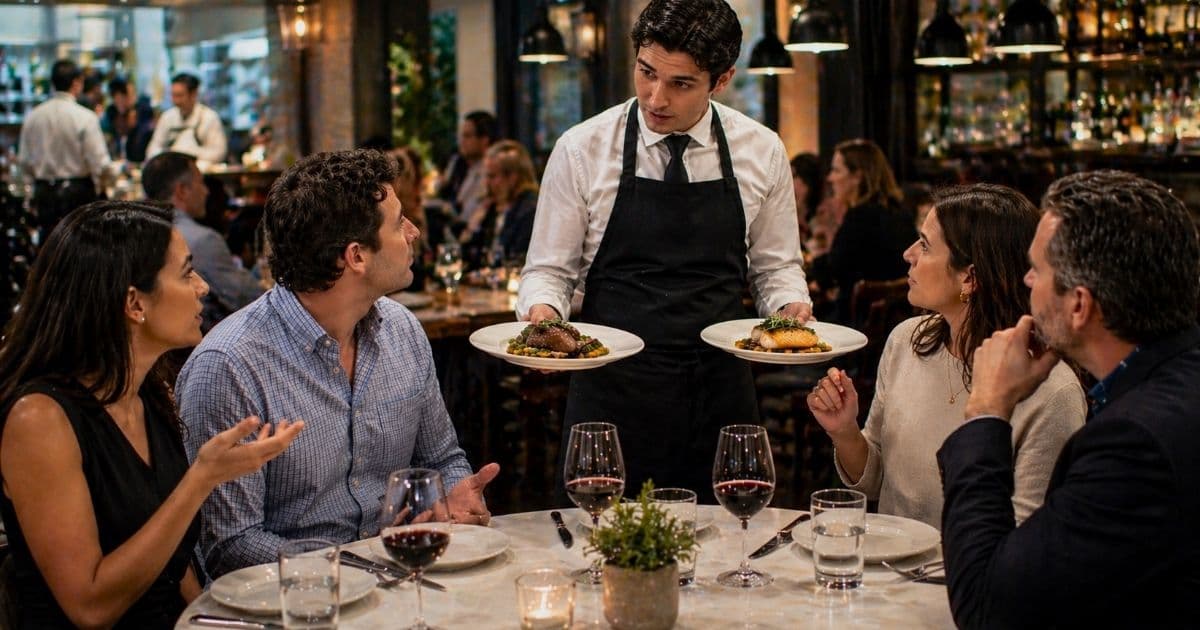
My server noticed, mentioned it to the kitchen, and both dishes arrived. Nobody made a production of the gesture.
That kind of hospitality doesn't happen simply because someone memorized a service manual. It reflects employees who understand their responsibilities, communicate with one another, and have the confidence to exercise good judgment.
The best service often feels effortless to the guest precisely because so much thought went into preparing the team.
Restaurant Standards Turn Jobs Into Skills
Clear expectations don't just improve service. They help employees recognize what they're learning and how their work contributes to the operation.
A new server who understands service timing, menu knowledge, and guest communication has a foundation to build on. A cook who learns station organization, preparation, and communication can develop skills that extend beyond one restaurant.
Without consistent training, employees may experience the job as a collection of disconnected tasks. With it, they can see opportunities to improve, take ownership, and grow professionally.
That matters when operators are trying to build dependable teams. Our restaurant recruiting services help independent restaurants establish more structure around hiring and candidate screening, but those expectations need to continue after an employee joins the team.
Restaurant standards don't maintain themselves. They require managers who demonstrate expectations, reinforce them consistently, and make sure employees have the preparation to succeed.
Great hospitality may look spontaneous, but the best operations have usually rehearsed.
Service begins with mise en place.