
Hiring Line Cooks: Stop Searching for the Perfect Fit
by Sheldon | Oct 16, 2026
Searching for the perfect line cook? Unrealistic requirements may be keeping qualified candidates out of your kitchen. Here's what to reconsider.

Hiring Tips
by Sheldon | May 15, 2024 | 4 min read
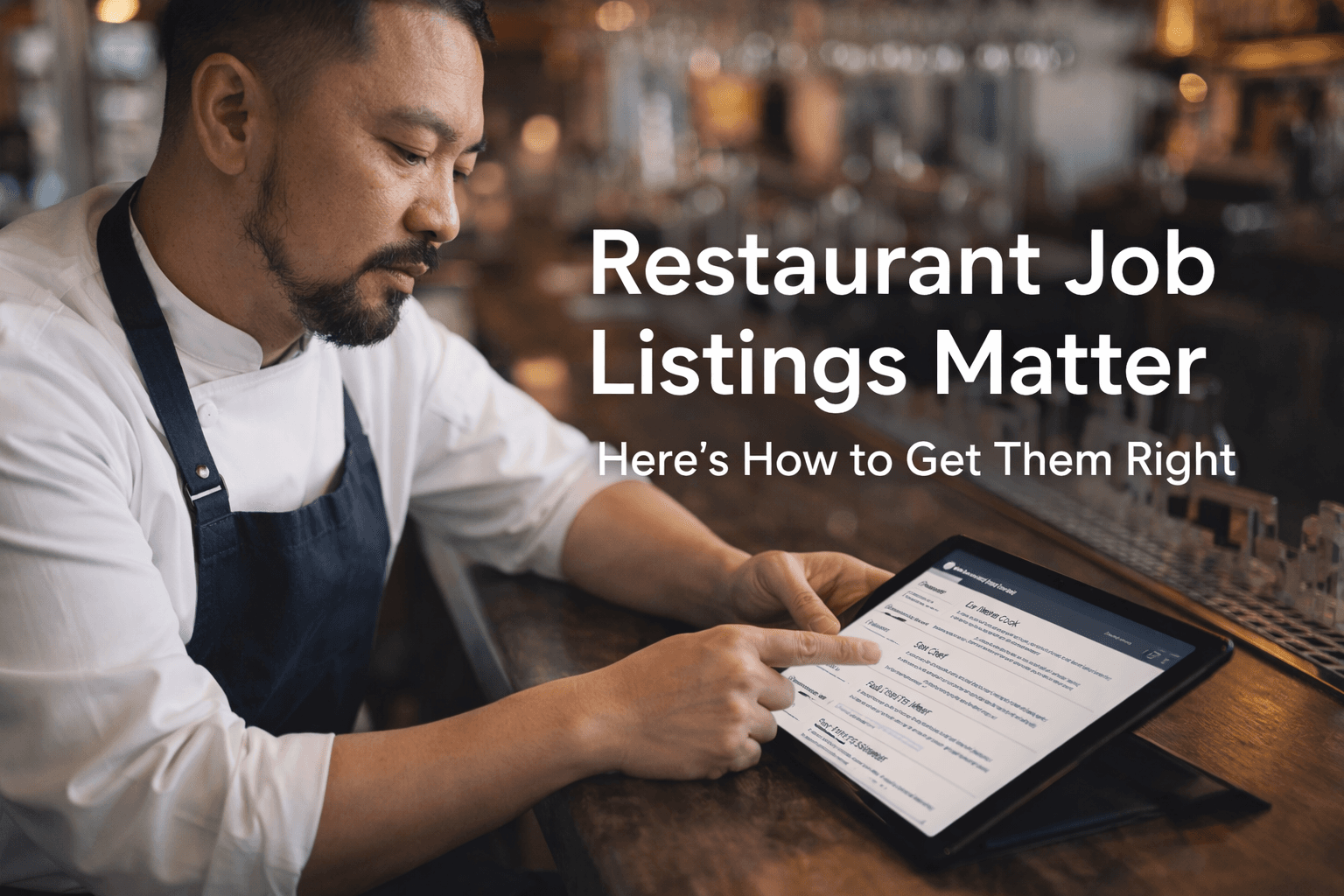
Restaurant job listings for Google Jobs need to do two things: help search engines understand the position and give candidates enough information to decide whether it's worth applying.
After more than 20 years of restaurant recruiting, I've learned that a job posting can attract plenty of attention without attracting the right applicants.
A vague title, unclear schedule, or missing pay information can create unnecessary work for everyone. And if candidates have to jump through too many hoops to apply, some won't bother.
Here's how to make your restaurant job listings easier to find, understand, and act on.
Google for Jobs is a job search feature within Google Search. It brings together opportunities from employers and job websites, allowing candidates to search by position and location.
Google explains how people search for jobs, including searches for jobs near them.
For individual job pages, Google uses structured data to understand details such as the position, employer, location, and employment type.
If your website publishes jobs directly, its technical setup matters. Google's JobPosting structured data guidelines explain the required information and how to test it.
Correct markup can make an eligible posting appear in Google's job search experience, although placement isn't guaranteed.
Restaurant job listings work best when the title immediately tells candidates what the position is.
Line Cook, Sous Chef, Restaurant Manager, and Bartender are recognizable titles. “Kitchen Rockstar” might sound entertaining, but it doesn't tell someone much about the job.
I've seen how small changes to a job title can affect the applicants a posting attracts.
Be specific about the role, and put compensation, schedule, and location details where candidates can easily find them. Google's structured data guidance also distinguishes the job title itself from those additional details.
You can use Google Keyword Planner or Ubersuggest to research search language, but don't sacrifice clarity to squeeze in extra keywords.
A good job description should answer the questions candidates are likely to ask before applying.
What will I earn? What shifts will I work? Where is the restaurant? What experience is required? What kind of operation am I joining?
Include the responsibilities, qualifications, compensation, benefits, schedule, and work environment.
Instead of writing “Assist with kitchen duties,” explain that the cook will prepare ingredients, maintain food safety standards, and support high-volume service.
And don't describe every restaurant as a “fast-paced, dynamic environment.” That tells candidates very little. A neighborhood tavern, fine-dining restaurant, and high-volume brunch operation can have very different expectations.
Specific information helps candidates assess whether the opportunity fits their experience and availability.
Location matters in restaurant hiring. Candidates need to understand where they'll work and whether the commute makes sense.
Include an accurate city, state, and ZIP code. For Google Jobs, the structured location information should match the actual workplace.
Don't stuff “near me” into a job title. Candidates can search locally without that phrase appearing in the posting.
The application process matters just as much.
Make the listing readable on a phone, keep the apply button easy to find, and avoid unnecessary forms or repeated requests for the same information.
If applying feels like a project, don't be surprised when candidates abandon it.
Publishing a job isn't the end of the process.
Review which listings attract relevant applicants, how many candidates complete the application, and where people lose interest.
Google Search Console can help website owners monitor search visibility and technical issues. Google Analytics can provide additional information about website visits and application activity when tracking is configured.
Look beyond application volume. Ten applicants who meet the requirements may be more useful than fifty who don't.
Optimizing restaurant job listings isn't just about appearing in Google Jobs. It's about making the opportunity clear enough for the right candidates to recognize a potential fit.
Start with an accurate title, useful job details, a realistic location, and an application process that respects people's time.
And remember that even a well-written posting needs a hiring process behind it. Our guide to a structured hiring process for restaurants explains why timely screening and follow-through matter once applications arrive.
The goal isn't simply more clicks. It's connecting with people who understand the opportunity and want the job.
Written by Sheldon
by Sheldon | Oct 16, 2026
Searching for the perfect line cook? Unrealistic requirements may be keeping qualified candidates out of your kitchen. Here's what to reconsider.

by Sheldon | Oct 12, 2026
Restaurant hiring expectations can differ between employers and candidates. Learn what to clarify before accepting a job or extending an offer.

by Sheldon | Sep 12, 2026
If you could change three things about your hospitality job board, what would they be? Help shape better hiring tools for independent restaurants.
Mis en Place helps independent restaurants and hospitality businesses build stronger teams through recruiting and hiring tools created specifically for the industry.