
Restaurant Employee Satisfaction: What Matters Most
Restaurant employee satisfaction is the focus of this report.
How satisfied are restaurant employees today when it comes to working conditions, management, compensation, work-life balance, and overall job satisfaction?
We surveyed 5,000 restaurant workers nationwide to understand how compensation, management communication, scheduling, workplace culture, and daily working conditions shape restaurant employee satisfaction.
For operators, restaurant employee satisfaction is practical, not theoretical. Frontline employees experience the business in real time, and their perspective reveals where operations, communication, and expectations start to slip.
When restaurants listen to employee feedback, they gain a clearer view of what is working and where adjustments are needed. As a result, teams that feel heard are more likely to stay, perform consistently, and contribute to a stronger workplace culture.
We designed this survey to answer a simple but important question: how satisfied are restaurant employees with their current jobs and work environments?
These findings show what shapes restaurant employee satisfaction and where restaurants can improve to retain their teams.
Many issues operators face begin before the first shift. Gaps in communication, unclear expectations, and inconsistent follow-up lead to preventable drop-off. This pattern also appears in restaurant hiring no-shows when the process between steps is not clearly defined.
Quick Guide
A small set of core factors drives restaurant employee satisfaction: pay, scheduling, management communication, tools, and team dynamics.
When these elements are aligned, teams are more stable, service improves, and turnover decreases. As a result, problems compound quickly when those systems slip.
Restaurant employee satisfaction also depends on how consistently these systems work together in daily operations.
What Drives Restaurant Employee Satisfaction Today
Restaurant employee satisfaction is shaped by a few consistent factors: pay, scheduling, management communication, and daily working conditions. Employees consistently identify these areas as the primary drivers of their experience.
When communication is clear, schedules are predictable, and expectations are defined, teams are more likely to stay and perform consistently.
The sections below show where satisfaction gaps appear most often and what restaurants can do to improve them.
We Asked the Following Questions:
- How satisfied are you with your current job?
- Do you feel like your manager communicates effectively with you?
- Do you have the essential tools and resources to do your job effectively?
- Do your coworkers provide the support you need?
- Are you happy with your current salary and perks?
- What can the restaurant you work at do to enhance your overall work experience?
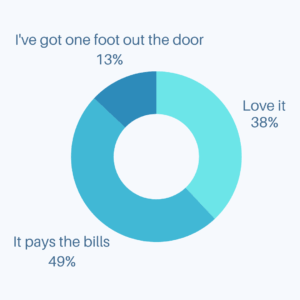
How satisfied are you with your current job?
Why Restaurant Employee Satisfaction Matters
As a result, when restaurant employees are happy, they demonstrate energy, care, and professionalism. Employees who are satisfied with their jobs are also more likely to remain with the business long term, reducing costly turnover and helping build a stable, reliable team.
Why do Employees Have One Foot Out the Door?
Top three themes
Poor management and work environment
Inconsistent operations, low morale, inexperienced leadership, and negative workplace experiences created unstable environments for many workers.
Financial instability
Employees reported not earning enough due to management taking tips or inconsistent scheduling, creating ongoing financial stress.
Desire for change
Many respondents said they were actively looking for new opportunities outside their current workplace.
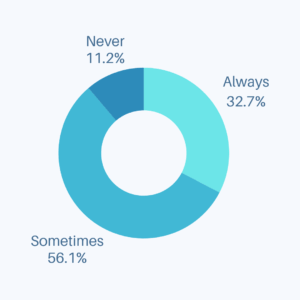
Do you feel your manager effectively communicates with you?
How Manager Communication Affects Restaurant Employee Satisfaction
In addition, clear and consistent communication from managers plays a direct role in restaurant employee satisfaction by building trust, respect, and accountability within a restaurant team. When managers communicate expectations, feedback, and updates effectively, employees feel more confident and aligned with the restaurant’s goals. Strong communication also helps prevent misunderstandings and resolve problems before they escalate.
What areas of manager communication need improvement?
Top three themes
Greater empathy and engagement
Employees want managers who show genuine care, empathy, and involvement in daily operations.
Better listening and trust
Staff want their feedback to be heard and valued, and they want managers to trust their input.
Addressing work culture concerns
Employees want clearer communication around expectations, accountability, and workplace standards.
A more consistent and structured communication process is also part of restaurant hiring trends, especially as operators work to reduce avoidable friction across the employee experience.
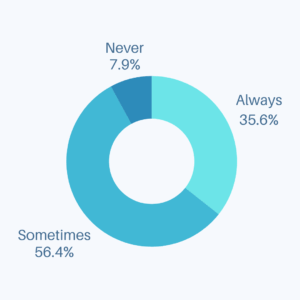
Do you have the tools and resources you need to do your job well?
Why Providing Employees with the Right Tools Matters
As a result, providing restaurant employees with the right tools, training, and resources directly supports their satisfaction and enables them to perform their roles efficiently and confidently. From properly functioning kitchen equipment to clear operating procedures, these resources directly impact productivity and reduce stress. A well-supported team works more efficiently and delivers a stronger guest experience.
Which tools and resources need improvement?
Top three themes
Improved communication systems
Employees reported the need for clearer communication processes across teams and shifts.
Adequate supplies and inventory
Teams sometimes lacked basic items such as sanitation supplies, ingredients, and kitchen essentials when they needed them.
Staffing and advancement opportunities
Workers noted challenges with understaffing and a need for clearer career growth pathways.
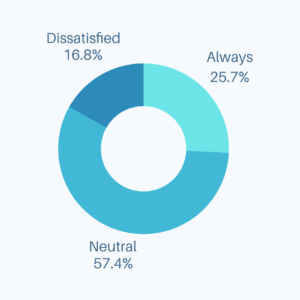
Are you happy with your current work schedule?
How Scheduling Affects Restaurant Employee Satisfaction
In practice, scheduling plays a direct role in restaurant employee satisfaction. A fair and predictable schedule demonstrates that a restaurant values its employees’ time and personal lives. As a result, when staff have input into their availability and receive schedules that meet their needs, they are more likely to stay motivated, avoid burnout, and remain loyal to the business.
What improvements do employees want in scheduling?
Top three themes
Consistency and flexibility
Workers want more predictable weekly hours while still having flexibility for personal needs.
Support during slow periods
Slow shifts often reduced income while managers provided little backup support.
Better workload balance
Employees reported that better shift coordination and stronger accountability across coworkers could improve work-life balance.
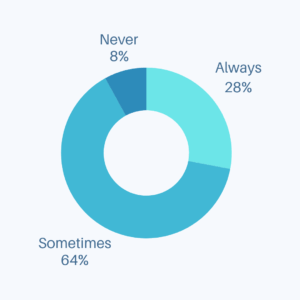
Do you get the support you need from your coworkers?
Why Employees Require Strong Support from Coworkers
Ultimately, a supportive and collaborative team makes a huge difference in a restaurant’s high-pressure environment. When employees help each other, share knowledge, and step in when needed, it creates a friendly atmosphere and eases tension. Strong peer support lifts morale, improves service quality, and builds a resilient, high-performing team.
What areas could be improved in the support you get from your co-workers?
Top three themes
- Accountability and Professionalism: Coworkers must handle pressure better and focus on work responsibilities.
- Improved Communication: Stronger, more effective communication among team members is needed.
- Basic Hygiene and Conduct: Some employees need to maintain better personal hygiene and workplace etiquette.
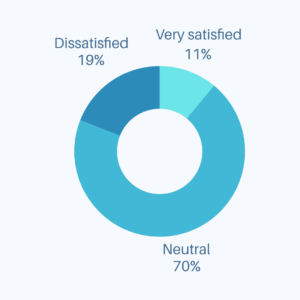
Are you satisfied with your current pay and benefits?
Why Pay and Benefits Impact Restaurant Employee Satisfaction
As a result, fair pay and meaningful benefits signal to restaurant employees that their work is valued. When compensation reflects the demands of the role and the cost of living, employees are more likely to remain committed to the business. Competitive wages and benefits also help attract stronger candidates and reduce turnover.
What needs improvement in pay and benefits?
Top three themes
Higher pay across the board
Many employees believe their wages do not reflect their responsibilities or experience.
Access to benefits
Workers frequently reported having little or no access to healthcare, retirement options, or other benefits.
Fairness and transparency
Employees raised concerns that new hires were earning wages similar to or higher than those of long-term staff, highlighting a need for clearer compensation policies.
How to Improve Restaurant Employee Satisfaction
Top five themes
Improve communication and leadership engagement
Employees want managers who communicate clearly, lead by example, and listen actively to their teams.
Increase pay to improve satisfaction
Higher wages and improved benefits were repeatedly highlighted as top priorities.
Improve scheduling consistency for staff satisfaction
Respondents requested improved coverage during busy times, more consistent hours, and clearer shift scheduling.
Strengthen culture, respect, and recognition
Workers seek environments built on respect, appreciation, and recognition for outstanding performance.
Invest in operational improvements
Employees proposed upgrading equipment, enhancing organization, expanding storage space, and extending operating hours to boost workflow.
In addition, broader employee satisfaction data reinforces the impact of communication, scheduling, and leadership on retention. According to the report What Restaurant Employees Want, these factors play a major role in whether employees remain engaged and committed over time.
What restaurant operators should remember
Restaurants improve restaurant employee satisfaction when they focus on communication, fair wages, consistent schedules, and strong leadership.
Clear expectations, steady follow-up, and structured operations help teams stay engaged, perform consistently, and remain committed over time.
Recent Comments